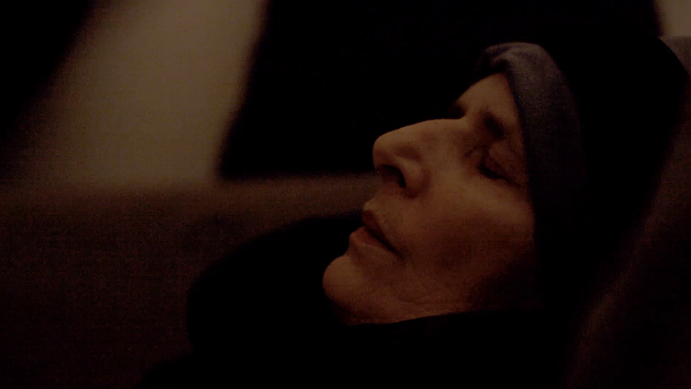
NOMINIERT ZUM GRIMME PREIS 2026
IMMER NOCH ONLINE!
ARTE TV Premiere I 22.35 Uhr I 10.35 pm
Dokumentation, 92 Minuten
online ab 24. Februar 2025!
NUR für Deutschland & Frankreich
"Chronisch Krank - Chronisch Ignoriert", Mediathek, Germany
"ChronischKrank - Chronisch Ignoriert" YouTube Channel arte, Germany
For Austria: https://watchaut.film/oe-film/chronisch-ignoriert
Aussagen von Betroffenen im Film:
„Auf Gedeih auf und Verderb alleine gelassen“
„Diese Traumatisierung alles zu verlieren, ja, seine Unabhängigkeit,
sein gesamtes vorheriges Leben.“
„Es gibt keine Gnade in dieser Geschichte, keine Perspektive.“
„Ich wurde ausgelacht, gedemütigt. Ich habe um Hilfe gebettelt.“
„Jedes Symptom wurde mit der Zeit immer schwerer und
es war eine tiefe Abwärtsspirale.“
„Ehrlich gesagt - es hat mich fast in den Selbstmord getrieben.“
„Trotz der Bettlägerigkeit musste ich neun Monate um einen Pflegegrad kämpfen.“
„Wenn ich an die Zukunft denke, habe ich Angst.“
„Man hat gar kein Leben mehr.“
Statements from those affected in the film:
“For better or worse left alone”
“This traumatization to lose everything, yes, independence, the entire previous life.”
“There is no mercy in this story, no perspective.”
“I was laughed at, humiliated. I begged for help.”
“Each symptom became more severe over time and it was a deep downward spiral.”
“To be honest - it almost drove me to suicidal.”
“Despite being bedridden, I had to fight for nine months to get a level of care.”
“When I think about the future, I'm scared.”
“You don't have a life anymore.”
#ME #MEcfs #PoTS #SmallFiber #MCAS #CCI #LongLyme #LongCovid #FQToxicity #FlagylToxicity #PostVac #LongList #LongTragedy #arte #Documentary

"Chronically Ill - Chronically Ignored"
a new documentary on ME/CFS, article by Hannah Sharland
February 2025 - A community with collective trauma:
"It was Dahrendorf’s personal experiences of the German healthcare system failing to support her with what she described as her own debilitating combination of “complex chronic illnesses” that led her to the scandal surrounding ME/CFS." (...)
"The idea of ME and other chronically ill patients suffering from “multiple hits” was something Dahrendorf firmly drove home from her personal perspective. A number of ME researchers – Dahrendorf highlighted Dr Amy Proal for instance – have postulated this concept. In short: it’s the idea that ME patients often have more than one factor triggering, and exacerbating their condition."
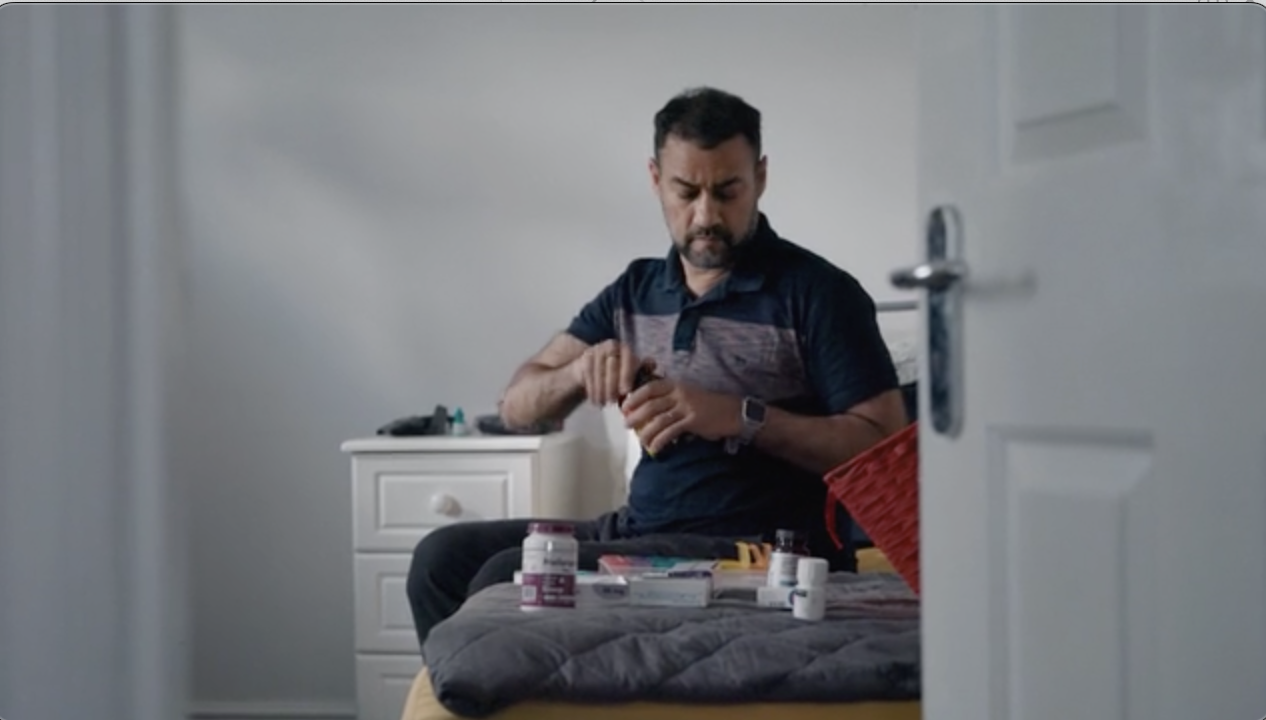
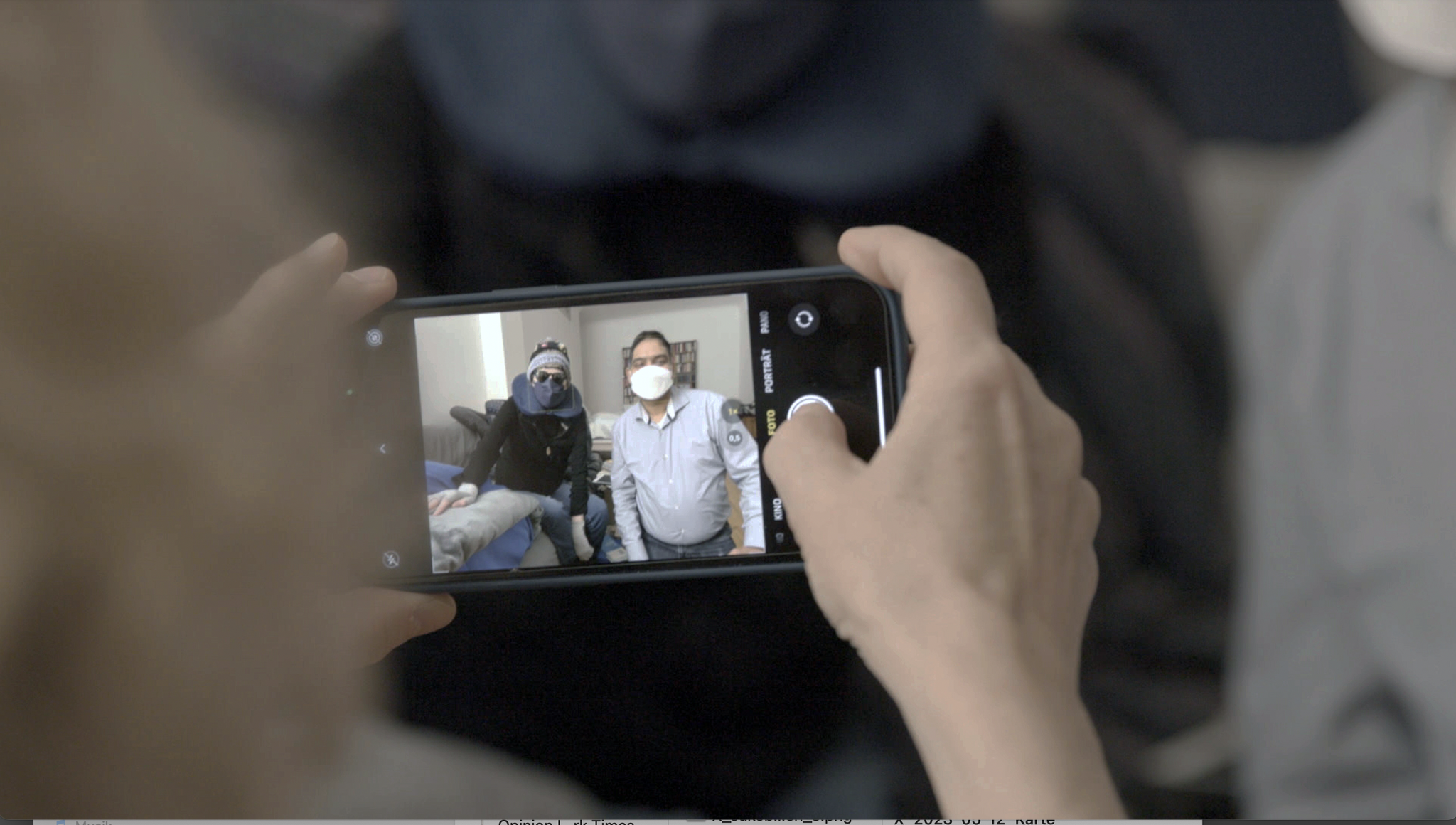
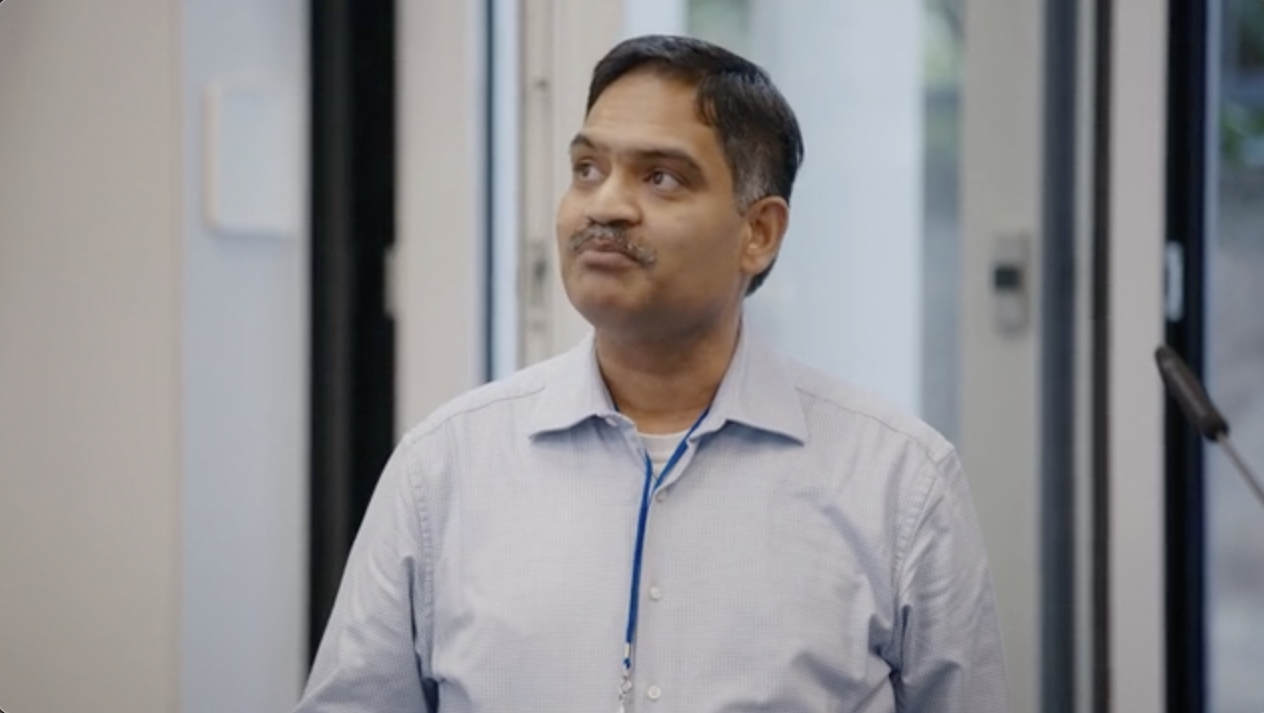
Asad Khan in "Chronisch Krank - Chronisch Ignoriert"
"Nobody is looking at these sorts of illnesses in a holistic way. When actually diseases like ME/CFS and POTS and Lyme and fibromyalgia and fluoroquinolone toxicity and vaccine injury and now Long Covid, they affect the whole body. And you need people to have an understanding of the entire body before they can start to recognize and treat these illnesses. And I think this is where Western medicine falls down."
"Niemand betrachtet diese Art von Krankheiten ganzheitlich, obwohl Erkrankungen wie ME/CFS, POTS, Borreliose, Fibromyalgie, Fluorchinolon-Vergiftung, Impfschäden und jetzt auch LongCovid den ganzen Körper betreffen. Man braucht Menschen, die den gesamten Körper verstehen, bevor sie beginnen können, diese Krankheiten zu erkennen und zu behandeln. Ich denke, hier scheitert die westliche Medizin."




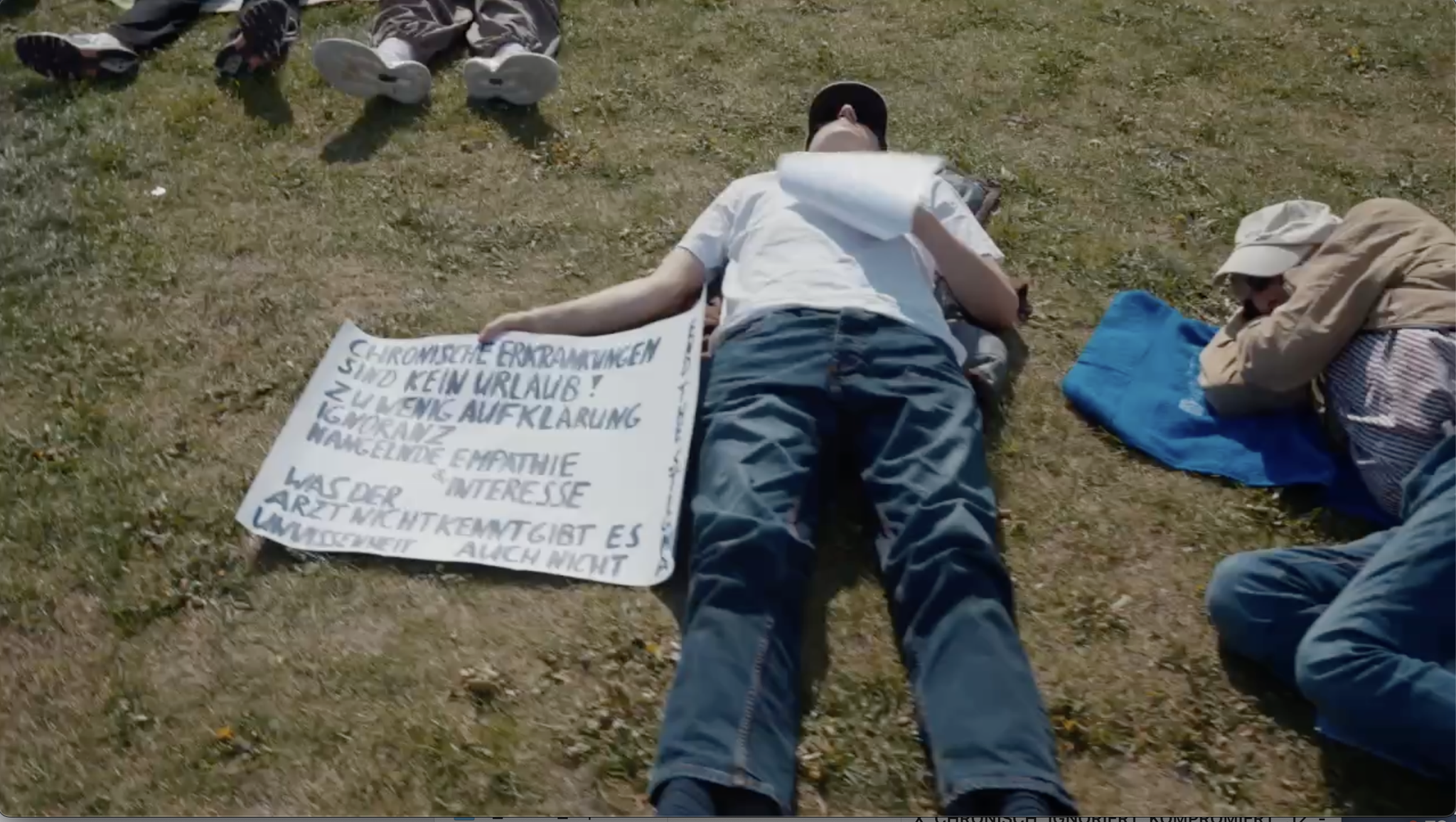
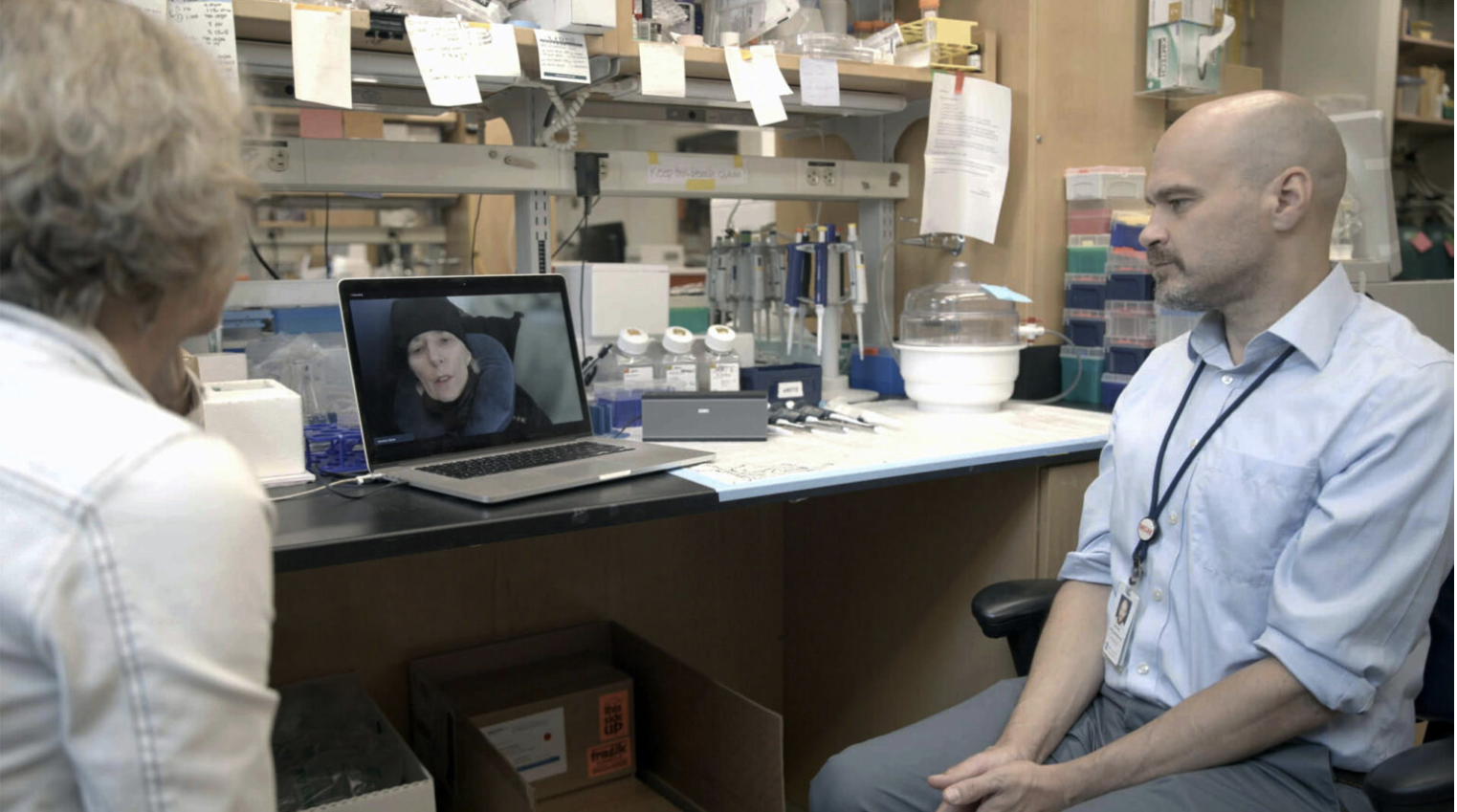
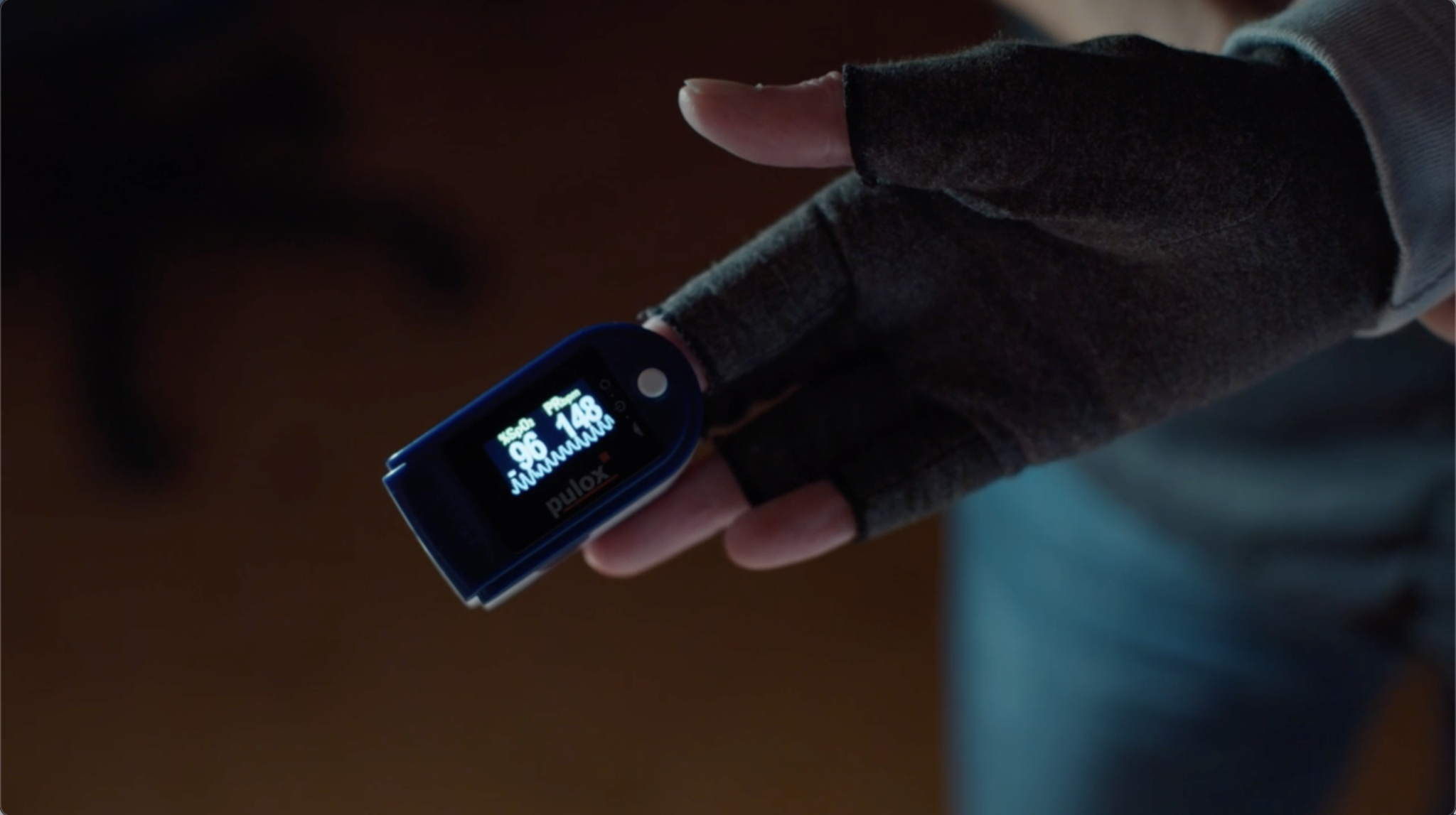

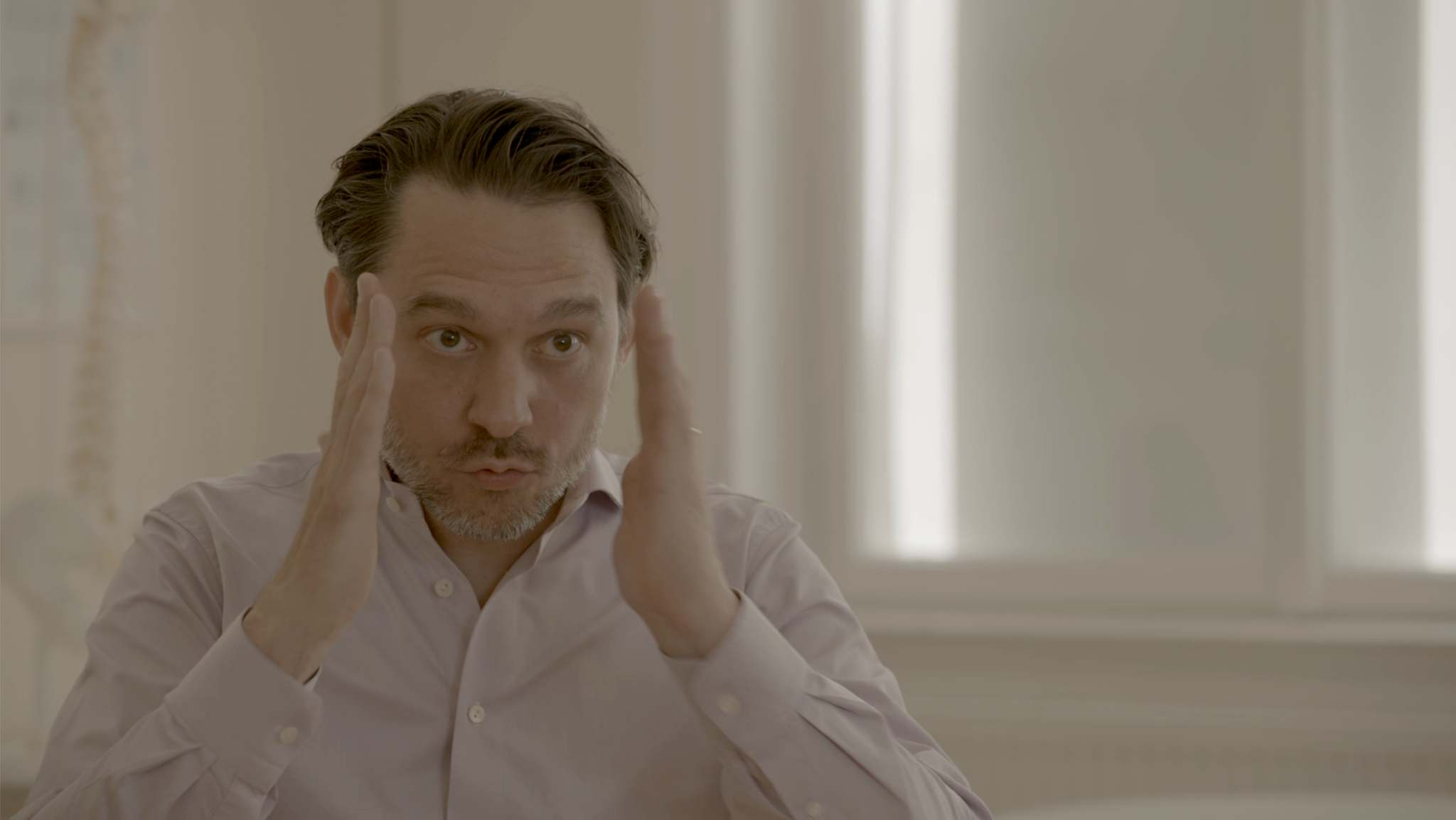





Amy Proal in “Chronisch Krank – Chronisch Ignoriert”:
„We do need a paradigm shift and we need less people simply assuming that there's something wrong with their mind. And we do need that paradigm shift where we take the most advanced minds and the advanced research applied to these patients and just start to simply understand what's wrong and innovate their medical care“
"Wir brauchen einen Paradigmenwechsel und weniger Menschen, die sich anmaßen, dass mit dem Verstand der Betroffenen etwas nicht stimmt. Ein Paradigmenwechsel, der die fortschrittlichsten Köpfe und Forschung zusammenbringt, um die medizinische Versorgung dieser Patienten zu erneuern."
Persönliches Statement: Im Sommer 2014, kurz nach meinem letzten längeren Film (Theater der Welt, 2014), wurde ich krank, noch mit vereinzelten Symptomen, zu denen sich immer mehr grausame gesellten und die dann chronisch wurden. Ich dachte ja, ich hätte die Malaria Tropica von 2011, die ich mir beim Drehen in Burkina Faso („Knistern der Zeit“ über das Operndorf von Christoph Schlingensief) eingehandelt hatte, überwunden. Aber denkste! Keiner wusste mit meinem Zustand etwas anzufangen. Aus einem Klinik Aufenthalt Ende 2017/Anfang 2018 kam ich dann fast gangunfähig wieder heraus und wurde von damaligen Ärzten immer noch verhöhnt. Es ging immer weiter Berg ab. Seit Jahren kann ich die Wohnung nicht mehr verlassen, muss u.a. aufgrund fortschreitender Muskelschwäche, Bindegewebsschwäche, einer eklatanten Entkräftung und enormen Belastungsintoleranz, unendlich vielen grausamen Symptomen und Diagnosen, darunter u.a. das posturale Tachykardie Syndrom, kurz POTS, bei dem die Herzrate im Sitzen und Stehen ins unermessliche steigt und widerum eine Kettenreaktion an widerlichen Symptomen nach sich zieht, 24/7 liegen. Immer. Ferner habe ich u.a. eine Cranio Cervikale Instabilität, - für diese Diagnose musste ich mich ins Ausland bringen lassen - ziemlich viele Krankheitserreger in meinem Körper, inclusive, Herpesviren und Borrelien, das Mastzellaktivierungssyndrom, kurz MCAS, einen Mitochondrien Schaden, Nervenschäden, mitausgelöst durch toxische Antibiotika, wie Fluorchinolone und Metronidzole. Eine unglückliche Verkettung gleich mehrerer verheerender multi – systemischer Krankheiten. Behandlung: keine.
Im Laufe meiner liegenden Isolationshaft zuhause, habe ich begonnen via soziale Medien mich mit anderen schwer Kranken, auch Forschern, zu vernetzen, und ich dachte, das darf doch alles nicht wahr sein: überall in der Welt das gleiche Schicksal: schwer kranke Menschen mit u.a den Diagnosen ME (Myalgische Enzephalomyelitis) oder wie es leider auch genannt wird ME/CFS (Myalgische Enzephalomyelitis / Chronisches Fatigue Syndrom), Lyme, also Borreliose, jetzt hinzukommend seit nunmehr 5 Jahren LongCovid Betroffene, ein Tsunami an schwer chronisch Kranken, die nach der Covid Infektion nicht mehr gesund geworden sind, aber auch Betroffene mit verheerenden Konsequenzen nach der Impfung und/oder schwer krank mit ähnlich schweren und vernichtenden Symptomen und Krankheiten u.a. nach Einnahme von Fluorchinolonen. Ein riesen Skandal. Alles. Viele sterben, unbeachtet vom Gesundheitssystem. Wie kann das alles möglich sein?
Gleichgültig welche Ursachen oder Kombination an Ursachen: die Betroffenen vereint eins: Sie sind vergessen von der Gesellschaft, aufgegeben vom Gesundheitssystem, falschen Behandlungen ausgesetzt. Vollständig allein gelassen. Es gibt keine Hilfe. Die gleichen Fehler, die man jahrzehntelang bei ME bzw ME/CFS gemacht hat, wiederholen sich bei LongCovid. Bei der Vergiftung von Fluorchinolonen passiert das ebenfalls seit Jahrzehnten. Das Tragische hier: diese könnte man vermeiden. Das alles macht mich immer noch fassungslos. Deswegen ist es für mich nicht nur notwendig auf diese furchtbare Not und den Überlebenskampf der Betroffenen aufmerksam zu machen, sondern gleichermaßen zu empören. Ich hoffe, dass „Chronisch Krank - Chronisch Ignoriert“ dies leisten wird und kann.
Ich möchte allen Mitwirkenden herzlich danken, denn ohne sie wäre der Film nicht das, was er ist. Persönlich widme ich in meinem Herzen diesen Film Judith, die 4 Monate nach Beendigung an der Arbeit mit der Doku, verstarb, durch assistierten Suizid. Judith war einer der positivsten und kreativsten Menschen, die ich unter diesen schrecklichen Bedingungen kennenlernen durfte - via Text und Sprachnachrichten - und sie ist Teil der Dokumentation. Judiths Zustand verschlechterte sich dramatisch, bis ihr kein Spielraum mehr blieb, mit ihrer wie sie selbst sagte: „heimtückischen Kombination verschiedener Krankheiten“, darunter ME, POTS, MCAS, Prankreaskrankheit, Liquorverlust, also Hirnwasserverlust u.m. ausgelöst durch die Covid Impfung. Judith, du bist immer in meinem Herzen, wie viele andere auch, die bereits diesen Weg gehen mussten oder an den Krankheiten an sich verstorben sind, ohne palliative Versorgung.
Mit Ende des Films hört die Tragödie leider nicht auf.
Das Einzige, was ich mir sehnlichst wünsche, dass Erkrankten, gleichgültig welcher Auslöser und/oder Kombinationen davon, ENDLICH geholfen wird.
Sibylle Dahrendorf, Januar 2025
Personal statement: In the summer of 2014, shortly after my last longer film (Theater der Welt, 2014), I fell ill, still with isolated symptoms, which were joined by more and more cruel ones and then became chronic. I thought I had overcome the malaria tropica from 2011, which I had contracted while filming in Burkina Faso (“Knistern der Zeit” - “Crackle of Time”) about Christoph Schlingensief's opera village). But think again! Nobody knew what to do with my condition. I came out of a hospital stay at the end of 2017/beginning of 2018 almost unable to walk and was still ridiculed by the doctors at the time. Things went from bad to worse. I haven't been able to leave my apartment for years and have to lie down 24/7 due to progressive muscle weakness, connective tissue weakness, blatant exhaustion and enormous exercise intolerance, an infinite number of horrible symptoms and diagnoses, including postural tachycardia syndrome, POTS for short, in which the heart rate increases immeasurably when sitting and standing and in turn causes a chain reaction of disgusting symptoms. Always. I also suffer from cranio-cervical instability - I had to be taken abroad for this diagnosis - quite a lot of pathogens in my body, including Herpesviruses and Borrelia, mast cell activation syndrome, MCAS for short, mitochondrial damage, nerve damage, partly triggered by toxic antibiotics such as fluoroquinolones and metronidzoles. An unfortunate concatenation of several devastating multi-systemic diseases. Treatment: none.
In the course of my isolation at home, I started to network with other seriously ill people, including researchers, via social media, and I thought, this can't be true: the same fate all over the world: seriously ill people with, among other things, the diagnoses ME (myalgic encephalomyelitis) or, as it is unfortunately also known, ME/CFS (myalgic encephalomyelitis/chronic fatigue syndrome), Lyme disease, and now, for the last 5 years, LongCovid sufferers, a tsunami of seriously chronically ill people who have not recovered after the Covid infection, but also sufferers with devastating consequences after vaccination and/or seriously ill people with similarly severe and devastating symptoms and illnesses after taking fluoroquinolones, among other things. A huge scandal. Everything. Many die, unnoticed by the healthcare system. How can all this be possible?
Regardless of the causes or combination of causes, those affected have one thing in common: they are forgotten by society, abandoned by the healthcare system and confronted with wrong treatments. Left completely alone. There is no help. The same mistakes that have been made for decades with ME and ME/CFS are being repeated with LongCovid. This has also been happening for decades with the poisoning of fluoroquinolones. The tragedy here is that this could be avoided. All this still leaves me stunned. That is why it is not only necessary for me to draw attention to this terrible plight and the struggle for survival of those affected, but also to be outraged. I hope that “Chronically Ill - Chronically Ignored” will and can do this.
I would like to sincerely thank all the contributors, because without them the movie would not be what it is. Personally, I dedicate this movie in my heart to Judith, who passed away 4 months after finishing work on the documentary, by assisted suicide. Judith was one of the most positive and creative people I had the privilege of meeting under these terrible circumstances - via text and voice messages - and she is part of the documentary. Judith's condition deteriorated dramatically until she had no more room to maneuver with what she called her “insidious combination of diseases” including ME, POTS, MCAS, prancreatic disease, cerebrospinal fluid loss and more triggered by the Covid Vaccine. Judith, you are always in my heart, as are many others who have had to walk this path or have died from the diseases themselves, without palliative care.
Unfortunately, the tragedy doesn't end with the end of the movie.
The only thing I fervently hope for is that sufferers, regardless of the trigger and/or combination of triggers, will FINALLY be helped.
Sibylle Dahrendorf, January 2025
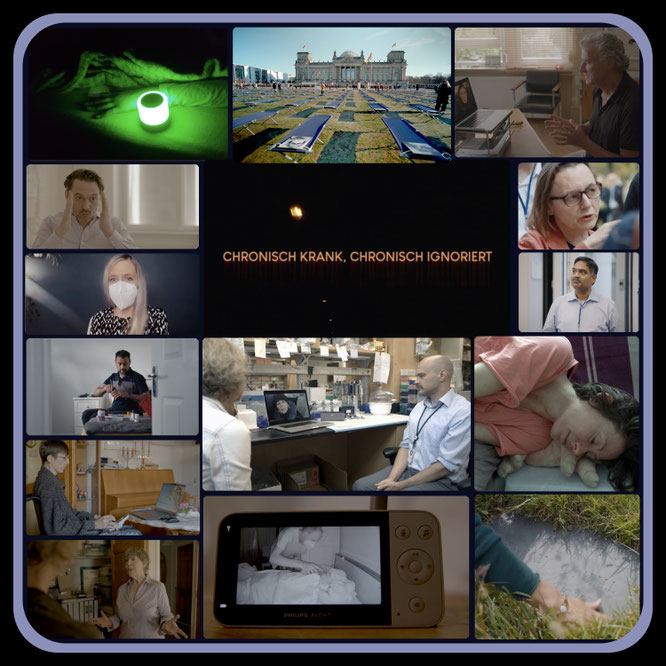
Chronisch Krank - Chronisch Ignoriert, 90 Minuten zdf/arte. 25. Februar 2025, um 22.35 Uhr
Produktionsnotizen zu „Chronisch Krank – Chronisch Ignoriert“
Hinter dem medizinischen Fachbegriff Myalgische Enzephalomyelitis/Chronisches Fatigue-Syndrom – kurz: ME/CFS – verbirgt sich eine Multisystemerkrankung mit verheerenden Auswirkungen: Sie tritt oft infolge von Infektionskrankheiten auf, aber auch viele andere Ursachen und Verkettungen von Triggern, wie Unfälle, Medikamente, Impfungen u.m können diese schwere Erkrankung sowie verheerende Co-existierende und komplexe Erkrankungen auslösen.
Obwohl ME schon 1969 von der Weltgesundheitsorganisation WHO als neurologische Erkrankung klassifiziert wurde (später in ME/CFS umgetauft wird), bleibt diese schwere Erkrankung bis heute in Politik, Ärzteschaft und Gesellschaft missverstanden: Betroffene werden stigmatisiert und psychologisiert, es gibt weder Medikamente, Behandlung noch Therapien. Dabei hat sich die Situation mit der COVID19-Pandemie drastisch zugespitzt. Vor der Pandemie schätzte man die Zahl der an ME/CFS erkrankten Menschen auf mindestens 17 Millionen weltweit, mit Long-COVID und den Spätfolgen durch die COVID-Impfung kommen Millionen Betroffene und chronisch schwer Kranke hinzu - allein 36 Millionen Long-COVID Betroffene in Europa schätzt die WHO. Wird das endlich ein überfälliges Umdenken auslösen?
„Chronisch Ignoriert“ von Daniela Schmidt-Langels und Sibylle Dahrendorf beleuchtet das Thema erstmals in großem Umfang aus verschiedenen Perspektiven: In eindrücklichen Interviews kommen im Film Betroffene sowie deren Angehörige und Hinterbliebene zu Wort, die Filmemacherinnen konfrontieren Politiker, Mediziner und Wissenschaftler mit ihren Erkenntnissen und Erlebnissen.
Der aufrüttelnde abendfüllende Dokumentarfilm verbindet eindrücklich historische Analyse mit aktueller Bestandsaufnahme und persönlichen Erfahrungsberichten. Die doppelgleisige Strategie im Film entspringt auch dem persönlichen Engagement der beiden Regisseurinnen:
Sibylle Dahrendorf, früher immer unterwegs, leidet seit 10 Jahren an der Verkettung multi-systemischer Krankheiten, darunter u.a. das posturale Tachykardie Syndrom, die Cranio Cervikale Instabilität, das Mastzellaktivierungssyndrom, die Small Fiber Neuropathie u.a als Folgen von Infektionen und der Vergiftung durch Metronidazole und den Fluorchinolonen, ein mit Rote-Hand-Briefen versehenes Antibiotikum, eigentlich ein eigenes schweres Krankheitsbild, auch „Fluoroquinolone Associated Disability“ genannt – alles nicht selten unter ME/CFS Betroffenen - und ein weiteres dunkles Kapitel in der Medizin. Wie andere schwer Betroffene kann sie das Haus nicht mehr verlassen und erfährt am eigenen Leib, was es heißt, von Ärzten und Gesellschaft im Stich gelassen zu werden. Nur das Internet und die sozialen Medien bieten noch Kanäle für den Austausch mit Betroffenen und auch Wissenschaftlern weltweit.
Daniela Schmidt-Langels, die bereits 2020 eine Wissenschaftsdokumentation zum Thema gemacht hat, folgt den Spuren der gemeinsamen Recherche. Ihre Reisen rund um den Erdball führen zu leidvollen Schicksalen und decken empörende Entwicklungen auf: Von Medizin und Politik wurden Fakten unterdrückt, um Panik zu vermeiden, für die Pharmaindustrie sind Forschung und Entwicklung zu ME/CFS nicht lukrativ genug, die Gesundheitsministerien verweigern Interviews zum Thema, Menschen werden aufgrund von Unwissenheit in Reha-Einrichtungen falsch behandelt.
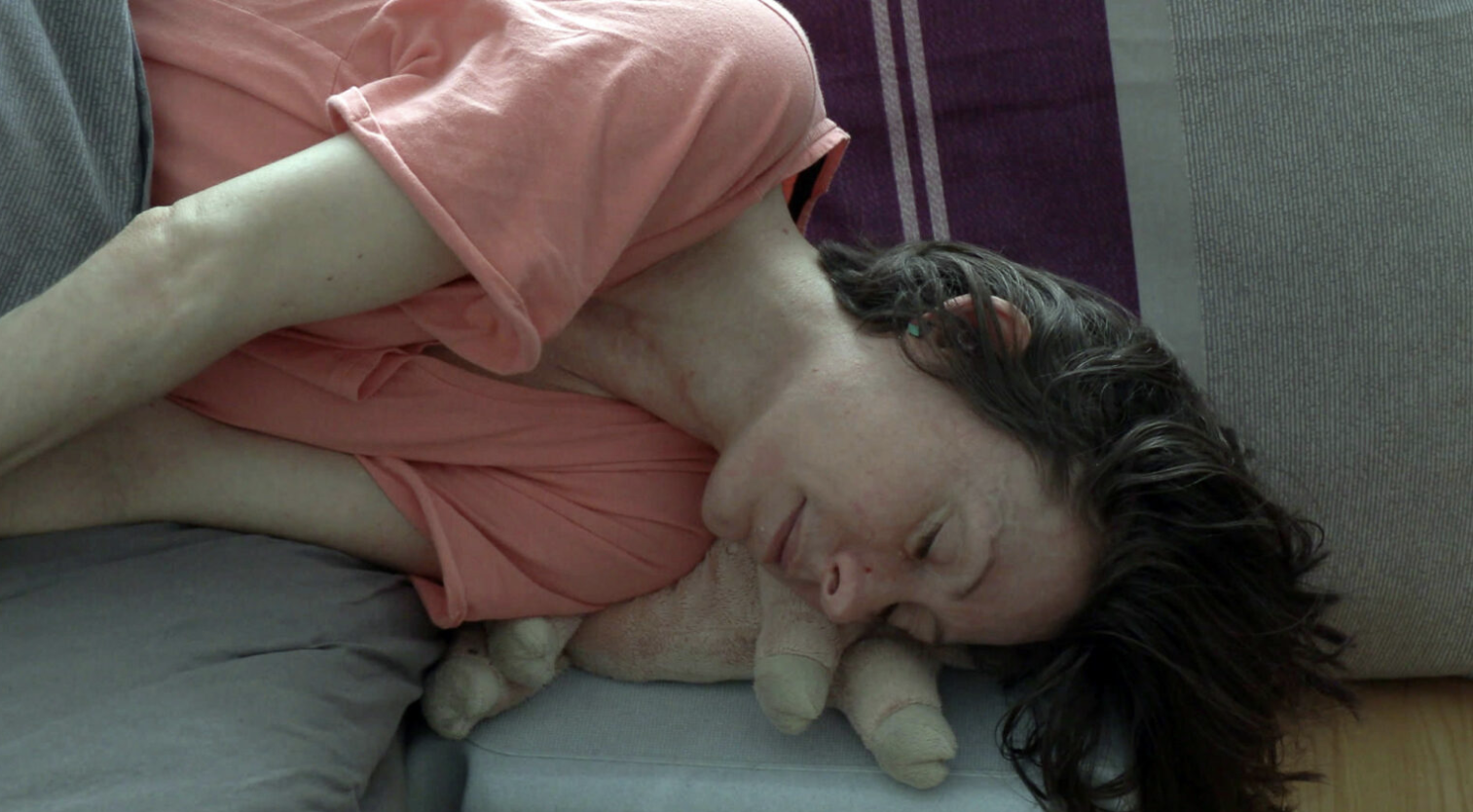
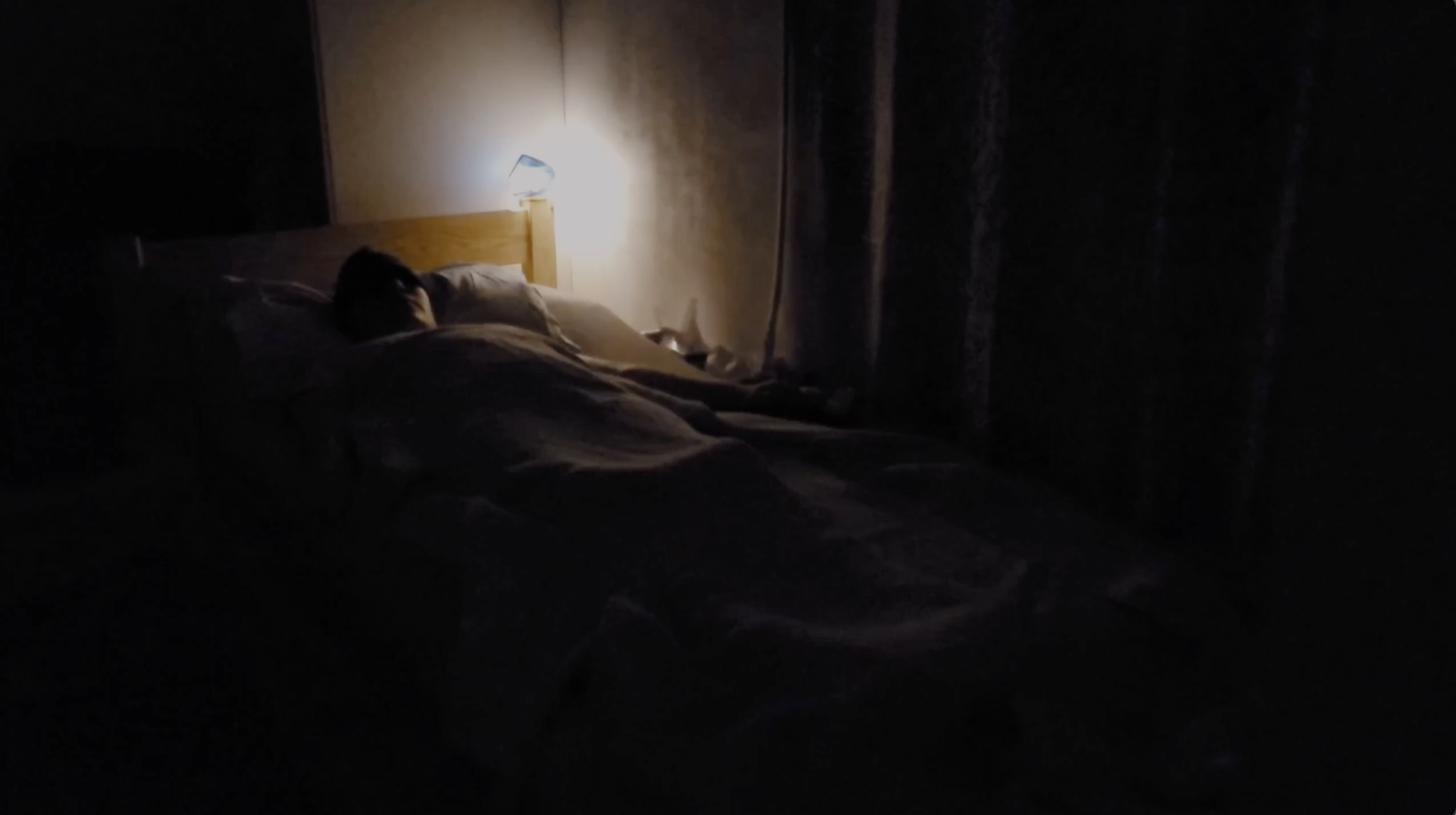
Der Film vermittelt die kaum fassbare Situation schwer kranker Menschen, die in jahrelanger Dunkelheit, komplett abgeschirmt von der Außenwelt, hinter zugezogenen Gardinen dahinvegetieren, weil starke Sinneseindrücke und jegliche Anstrengung für sie unerträglich geworden sind: „Der Körper zerfällt in tausend Stücke“, sagt Dahrendorf, die 21jährige Mila beschreibt ihr Leben seit der Erkrankung als eine „endlose Fahrt durch einen langen, dunklen Tunnel“.
Bis heute kämpfen Betroffene um Anerkennung, Forschung und Therapien. Neben aller berechtigten Wut über die Ignoranz im Umgang mit ME/CFS und weiteren überlappenden multisystemischen Krankheitsbildern, die „Chronisch Ignoriert“ aufdeckt, ist der Film vor allem ein leidenschaftliches Plädoyer, welches ein Umdenken in Politik, Gesellschaft, Pharmaindustrie und Wissenschaft fordert.
Produktionszeit: Januar 2023 - August 2024
Production notes for “Chronically Ill - Chronically Ignored” I February 2025
The medical term myalgic encephalomyelitis/chronic fatigue syndrome - ME/CFS for short - refers to a multi-system disease with devastating effects: It often occurs as a result of infectious diseases, but many other causes or combinations of triggers such as vaccinations, accidents, drugs can also cause this serious illness and/or many devastating complex co-illnesses.
Although ME was classified as a neurological disease by the World Health Organization (WHO) as early as 1969 (later renamed in ME/CFS), this serious disease remains misunderstood by politicians, doctors and society to this day: Those affected are stigmatized and psychologized, and there is no medication, treatment or therapy. The situation has worsened dramatically with the COVID-19 pandemic. Before the pandemic, the number of people suffering from ME/CFS was estimated to be at least 17 million worldwide; with Long COVID and the late effects of the COVID vaccination, millions more are affected and chronically seriously ill - the WHO estimates 36 million Long COVID sufferers in Europe alone. Will this finally trigger an overdue rethink?
“Chronically Ignored” by Daniela Schmidt-Langels and Sibylle Dahrendorf sheds light on the topic for the first time on a large scale from different perspectives: In impressive interviews, those affected as well as their relatives and survivors have their say in the film, and the filmmakers confront politicians, doctors and scientists with their findings and experiences.
This stirring feature-length documentary impressively combines historical analysis with current events and personal accounts. The two-pronged strategy in the film also stems from the personal commitment of the two directors:
Sibylle Dahrendorf, formerly always on the move, has been suffering for 10 years from a chain of multisystemic diseases, including postural tachycardia syndrome, cranio-cervical instability, mast cell activation syndrome, small fiber neuropathy, among others., as a result of infections and poisoning by metronidazole and fluoroquinolones, an antibiotic with red hand letters, actually a severe clinical picture of its own, also called “Fluoroquinolone Associated Disability” - all not uncommon among ME/CFS sufferers - and another dark chapter in medicine. Like other severely affected people, she can no longer leave the house and experiences first-hand what it means to be let down by doctors and society. Only the internet and social media still offer channels for communication with sufferers and scientists worldwide.
Daniela Schmidt-Langels, who already made a science documentary on the topic in 2020, follows the traces of the joint research. Her travels around the globe lead to painful fates and uncover outrageous developments: Facts have been suppressed by medicine and politics to avoid panic, research and development into ME/CFS is not lucrative enough for the pharmaceutical industry, health ministries are refusing to give interviews on the subject, people are being treated incorrectly in rehabilitation facilities due to ignorance.
The film conveys the almost incomprehensible situation of seriously ill people who vegetate in years of darkness, completely shielded from the outside world, behind drawn curtains, because strong sensory impressions and any exertion have become unbearable for them: “The body disintegrates into a thousand pieces,” says Dahrendorf; 21-year-old Mila describes her life since the illness as an ‘endless journey through a long, dark tunnel’.
Those affected are still fighting for recognition, research and therapies today. In addition to all the justified anger about the ignorance in dealing with ME/CFS and other overlapping multisystemic diseases that “Chronically Ignored” reveals, the film is above all a passionate plea that calls for a rethink in politics, society, the pharmaceutical industry and science.
Production time: January 2023 - August 2024
🎥 TRAILER

Pressetext: Chronisch Krank - Chronisch Ignoriert
Obwohl die Myalgische Enzephalomyelitis, das Chronisches Fatigue-Syndrom (ME/CFS), seit Jahrzehnten als neurologische Erkrankung anerkannt ist, wird sie dennoch von weiten Teilen der Ärzteschaft nach wie vor missverstanden. Zudem wird sie von der Pharmaindustrie kaum erforscht und vom Gesundheitssystem größtenteils ignoriert. Mit Long-Covid und den Folgen der Covid-Impfung kommen Millionen Erkrankte hinzu. Es besteht der Verdacht, dass das Coronavirus die Krankheit auslösen kann. Der Dokumentarfilm beleuchtet das Thema aus der Perspektive von Betroffenen und stellt Auffassungen aus Politik, Medizin, Wissenschaft und Pharmaindustrie vor. Dabei verbindet der Film historische Analyse mit aktueller Bestandsaufnahme und persönlichen Erfahrungsberichten. Eine von ihnen ist die Regisseurin Sibylle Dahrendorf, die seit Jahren an der Verkettung multisystemischer Krankheiten leidet - darunter auch an den Folgen der Medikamentenschädigung durch Fluorchinolone, das zur Gruppe der Breitbandantibiotika zählt. Ohne Behandlung und ans Bett gefesselt, bleiben Dahrendorf vor allem die Sozialen Medien für den Austausch mit der Außenwelt und mit Wissenschaftlern. Regisseurin Daniela Schmidt-Langels folgt den Spuren der gemeinsamen Recherche, führt Interviews mit Experten auf der ganzen Welt und versucht, Verantwortliche in Politik und Gesundheitswesen mit der Situation zu konfrontieren. "Chronisch krank, chronisch ignoriert" deckt die gravierende Ignoranz im Umgang mit ME/CFS und anderen multisystemischen Erkrankungen auf und ist zugleich ein eindringliches Plädoyer für ein notwendiges Umdenken in Politik, Gesellschaft und Wissenschaft.
Presstext:
Although myalgic encephalomyelitis, chronic fatigue syndrome (ME/CFS), has been recognized as a neurological disease for decades, it continues to be misunderstood by large sections of the medical profession. In addition, it is barely researched by the pharmaceutical industry and largely ignored by the healthcare system. With Long Covid and the consequences of the Covid vaccination, millions of people are now suffering from the disease. It is suspected that the coronavirus can cause the disease. The documentary examines the topic from the perspective of those affected and presents views from politics, medicine, science and the pharmaceutical industry. The film combines historical analysis with current assessments and personal testimonies.
One of them is the director Sibylle Dahrendorf, who has been suffering for years from a chain of multisystemic illnesses - including the consequences of drug damage caused by fluoroquinolones, which belong to the group of broad-spectrum antibiotics. Without treatment and confined to bed, Dahrendorf's main means of communication with the outside world and scientists is social media. Director Daniela Schmidt-Langels follows the traces of the joint research, conducts interviews with experts around the world and attempts to confront those responsible in politics and the healthcare system with the situation. “Chronically ill, chronically ignored” uncovers the serious ignorance in dealing with ME/CFS and other multisystemic diseases and is at the same time a powerful plea for a necessary rethink in politics, society and science.
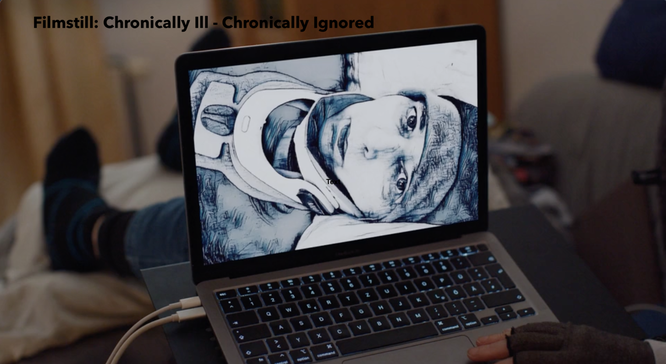
Mike VanElzakker in "Chronisch Krank - Chronisch Ignoriert"
"I personally think that part of the problem is that many different forms of illness have been grouped under a label. It's been decided that the label is a mystery. And unfortunately for many doctors, that is a license to sort of give up their natural inclination to investigate and to try and understand: why is this person in front of me sick. So, to be honest, I will sometimes tell patients when they see a doctor for the first time, I will say: don't tell them that you have ME. Describe honestly and accurately what your symptoms are. Describe honestly and accurately how they began. But don't tell them that you have this mystery condition because they'll say,
well, we don't know what that is."
"Ich denke, dass ein Teil des Problems ist, dass verschiedene Krankheitsformen unter einem Label zusammengefasst wurden. Es wurde entschieden, dass dieses Label ein Rätsel ist. Leider ist das für viele Ärzte eine Art Freibrief, ihrem natürlichen Interesse nicht mehr nachzukommen. Sie geben auf, verstehen nicht, woran die Person vor ihnen genau leidet. Ich rate Patienten sogar beim ersten Arztbesuch:
Sagen Sie nicht, dass Sie an ME leiden. Beschreiben Sie ehrlich und genau, was Ihre Symptome sind. Beschreiben Sie ehrlich und genau, wie sie angefangen haben.
Aber sagen Sie nicht, dass Sie an diesem mysteriösen Zustand leiden. Dann werden Ärzte sagen: „Nun ja, wir wissen nicht, was das ist.“"
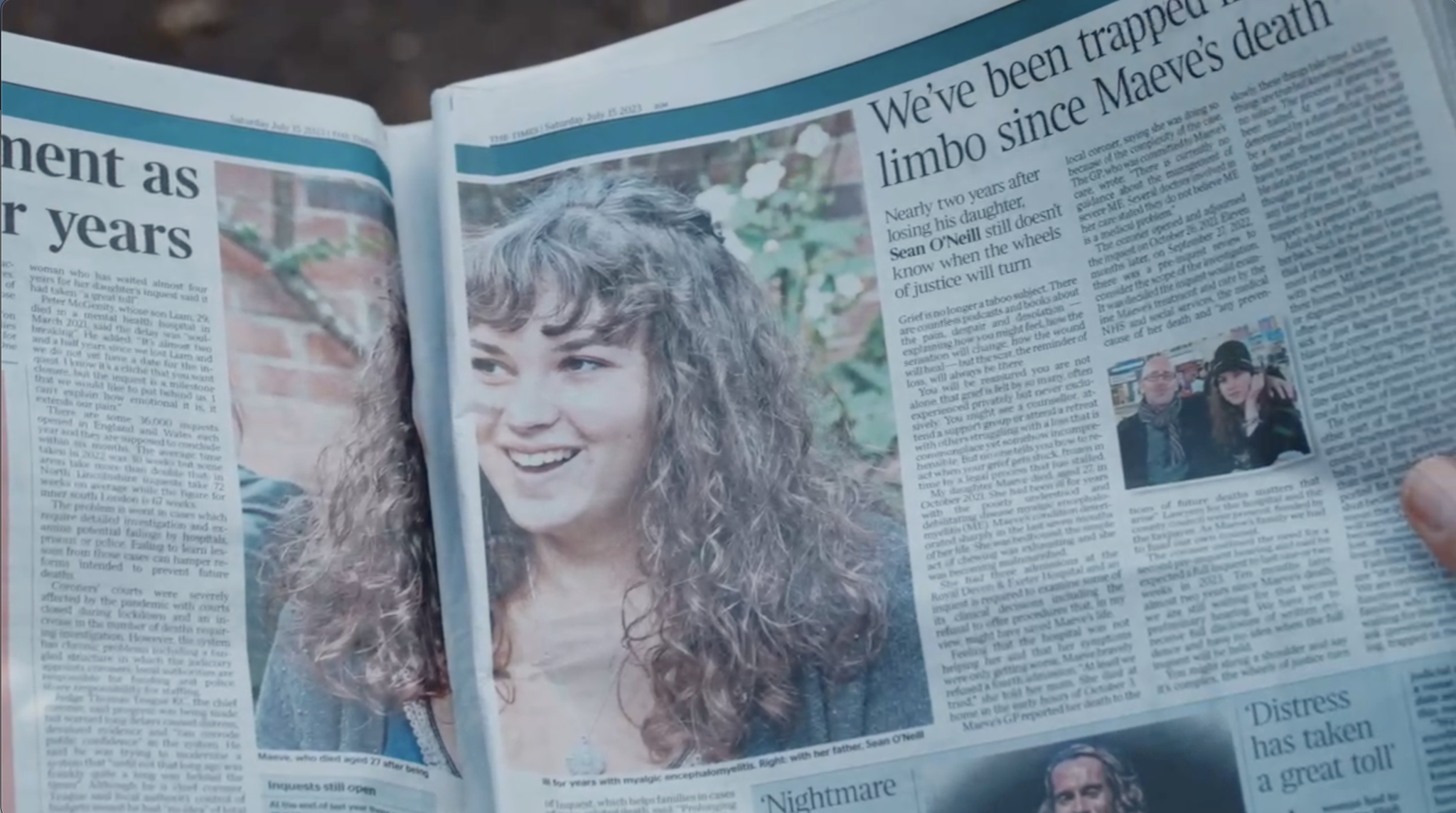
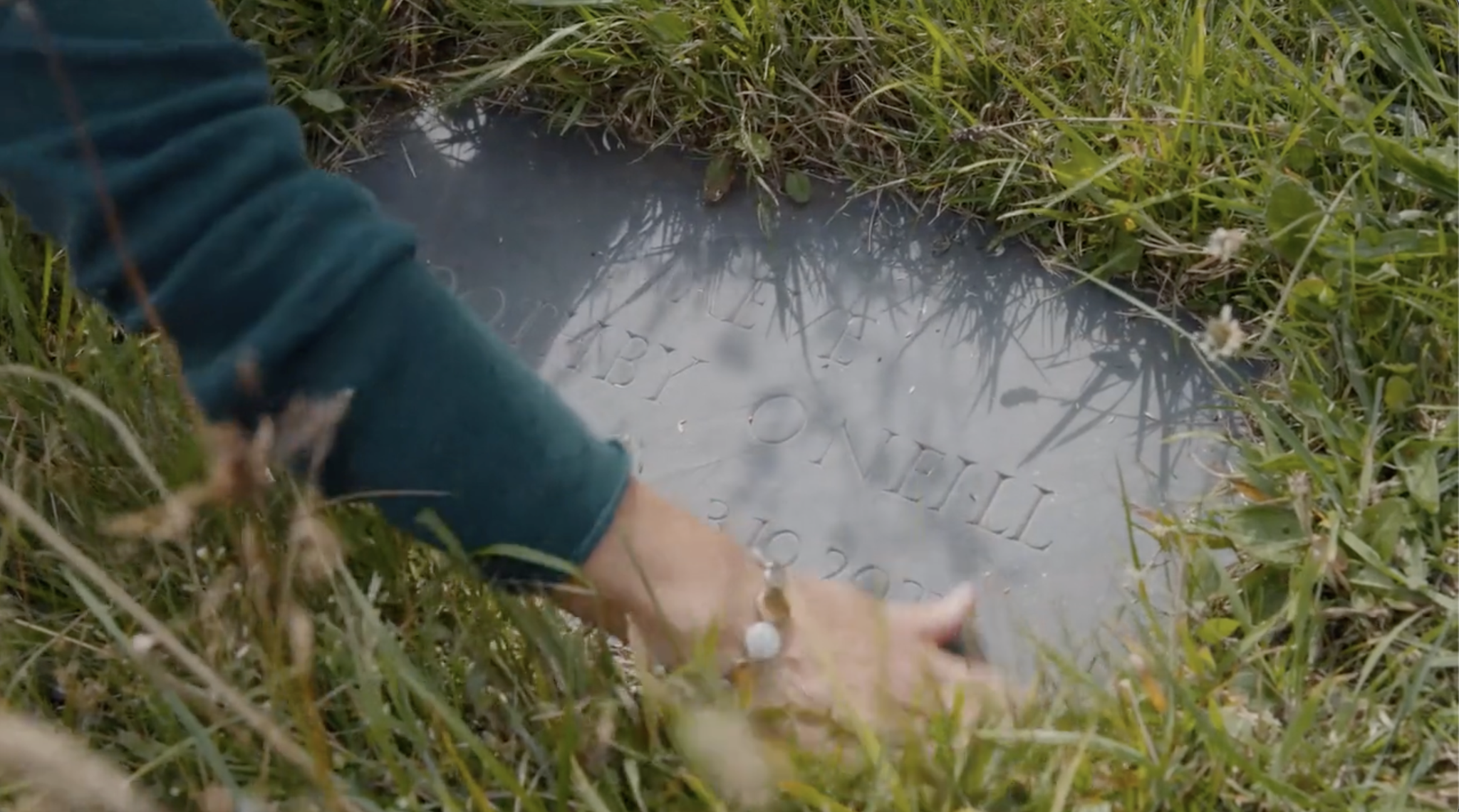
Sarah Boothby on the death of her daughter Maeve
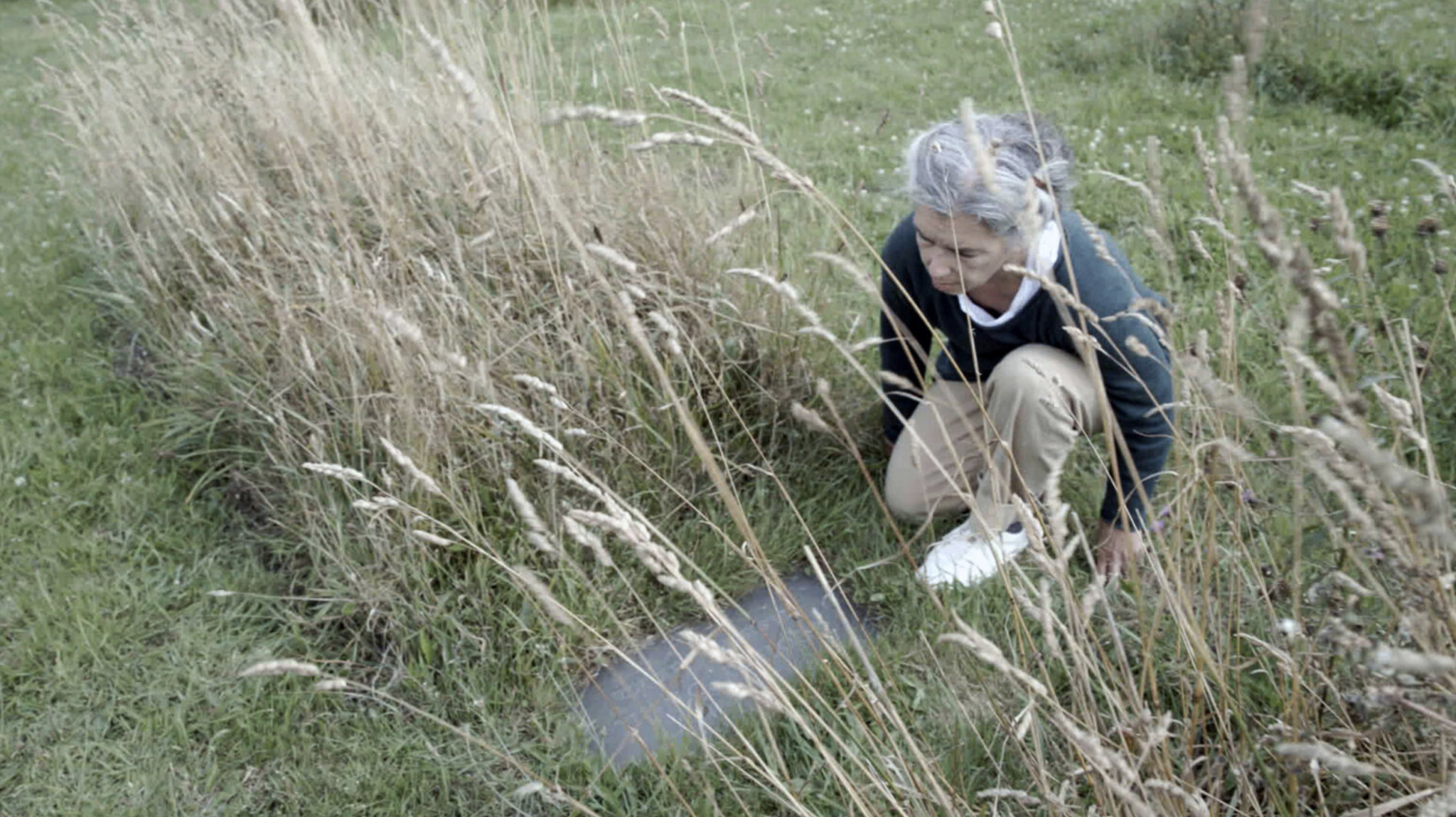
"She knew that she was going to die. And so she planned one of the hardest things, I think for anybody to plan, but especially someone young who doesn’t want to die. (OFF) She planned for what would happen to her remains after she died. And she didn't want a ceremony and she'd like a natural burial. I know she'd appreciate the natural beauty because she had a good sense of what was beautiful."
"Sie wusste, dass sie sterben würde. Und so plante sie eines der schwierigsten Dinge, die ein Mensch planen kann, aber besonders schwierig für einen jungen Menschen, der nicht sterben will. Sie plante, was mit ihren sterblichen Überresten nach ihrem Tod passieren solle. Sie wollte keine Trauerfeier, und in der Natur begraben werden. Sie hätte diese schöne Natur geliebt, denn sie hatte ein gutes Gespür für alles Schöne."
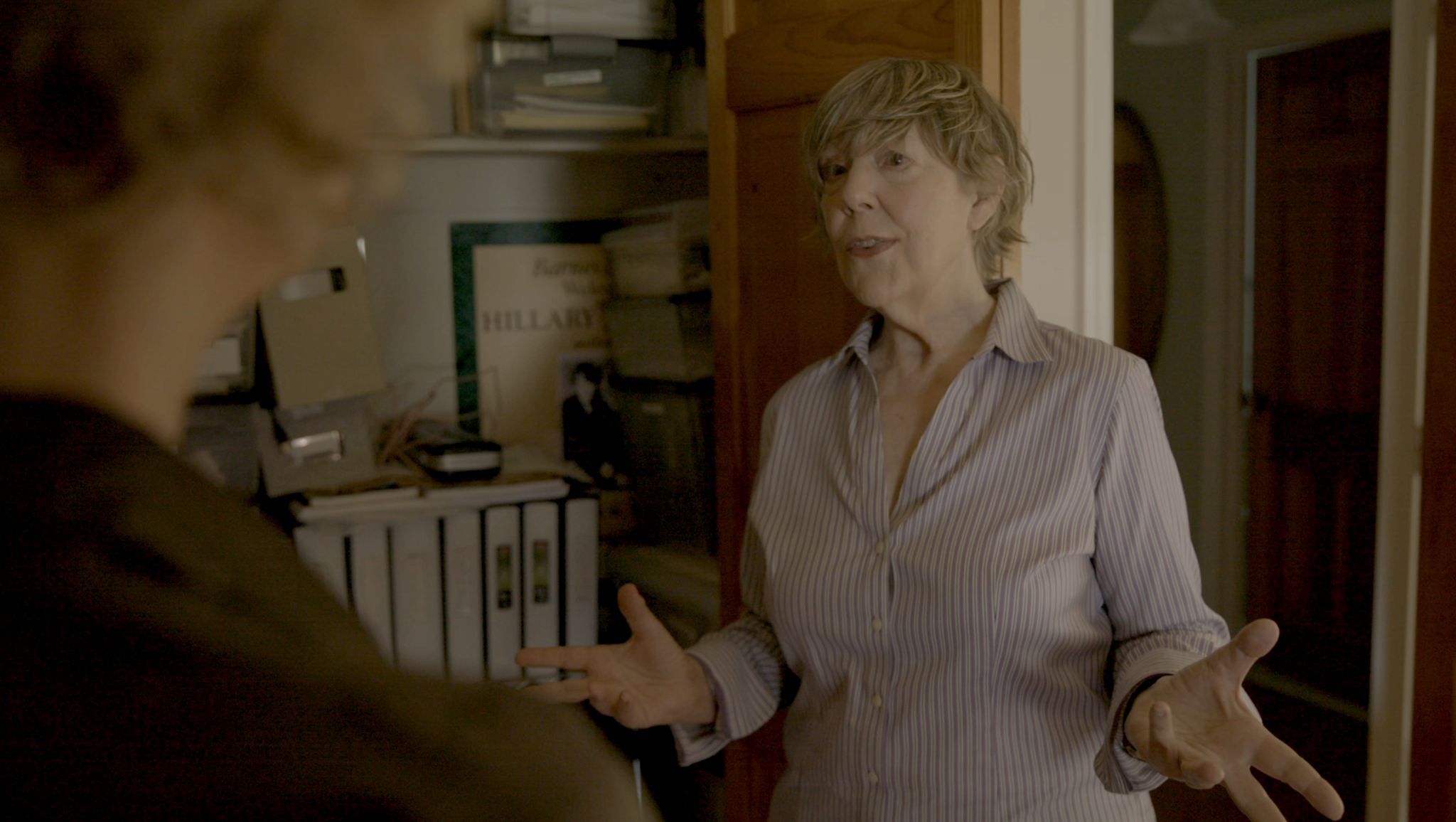
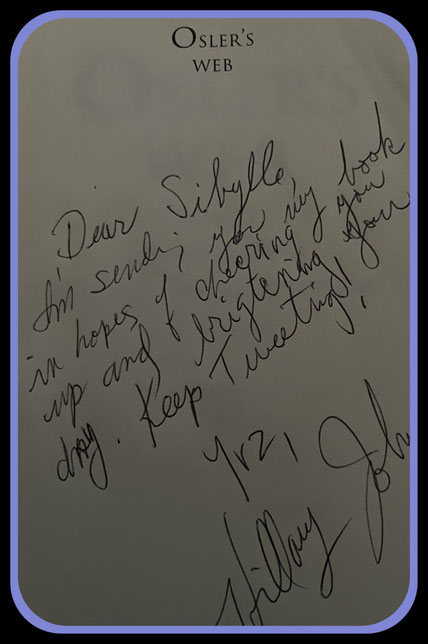
Hillary Johnson in "Chronisch Krank - Chronisch Ignoriert
"ME slash CFS. Why did they want to rename it? It was a political construct. They knew that this disease that had erupted in the early 1980s was ME. They knew it. That was too scary for them, or they thought it was too scary for the public. Okay. Because what they really are about is controlling public panic. Most public health officials in this country,
I learned while I was writing that book, feel that
part of their job is to control public panic."
"ME - Schrägstrich - CFS. Warum wollten sie es umbenennen? Es war ein politisches Konstrukt. Sie wussten, dass es sich bei dieser Krankheit, die in den frühen 80er Jahren ausgebrochen war, um ME handelte. Aber das war ihnen zu unheimlich, oder zu beängstigend für die Öffentlichkeit. Denn sie wollen die öffentliche Panik unter Kontrolle halten. Während ich dieses Buch schrieb, wurde mir klar, dass die meisten Beamten des öffentlichen Gesundheitswesens in diesem Land die öffentliche Panik kontrollieren wollen."
Michael Stingl in Chronisch Krank - Chronisch Ignoriert:
"...‘tschuldigung, Scheiß Erkrankung, wo man in all dem, was man gerne machen würde, massiv eingeschränkt ist, kann man sich auch noch anhören, dass man das alles irgendwie nur simuliert und einfach nicht hackeln mag. Und ich glaube, das macht es doppelt hart. Und dann ist es auch wenig überraschend, dass Suizid ein großes Thema leider ist, weil in so einer Situation zu stecken, wo die Ärzte sagen, Sie haben ja eh nichts oder sogar Leute wie ich, die sagen, sie haben was, aber ich kann es halt nicht perfekt behandeln, diese Perspektivlosigkeit auch zu sehen, dass forschungsmäßig viel zu wenig passiert und dann gleichzeitig auch null Unterstützung oft zu bekommen,
das ist halt einfach wirklich heftig.“
“...'scuse me, fucking illness, where you're massively restricted in everything you'd like to do, you can also be told that you're somehow faking it and just don't like hacking. And I think that makes it twice as hard. And then it's hardly surprising that suicide is unfortunately a big issue, because being in a situation like that, where doctors say you have nothing anyway or even people like me who say they have something, but I can't treat it perfectly, seeing this lack of prospects, that far too little is happening in terms of research and then often getting zero support at the same time, that's just really tough.”
Carmen Scheibenbogen in "Chronisch Krank - Chronisch Ignoriert"
"Was mit manchen Betroffenen in der Rehaklinik passiert ist, ist unsäglich. Es ist wirklich ein dunkles Kapitel der Medizingeschichte. Nur das Traurige ist,
es ist heute noch aktuell."
"What happened to some of those affected in the rehabilitation clinic is unspeakable.
It really is a dark chapter in medical history. The sad thing is, it is still relevant today."
Stefan Pieper in „Chronisch Krank – Chronisch Ignoriert“
„Ich bin überzeugt davon, wenn man eine genaue Medikamentenanamnese machen würde bei den ME/CFS Patienten, dass man in vielen Fällen auf die Fluorchinolone stoßen würde, weil sie eben seit den 80er Jahren verschrieben werden wie saure Drops. Und der größte Skandal ist eigentlich die schiere Menge an Patienten, die betroffen sind.“
“I am convinced that if you were to take a detailed medication history with ME/CFS patients, you would come across fluoroquinolones in many cases, because they have been prescribed like acid drops since the 1980s. And the biggest scandal is actually the sheer number of patients affected.”
»Chronisch Ignoriert« ist ein Dokumentarfilm über ein dunkles Kapitel in der Medizingeschichte.
Warum wird eine verheerende, multi-systemische Erkrankung wie ME/CFS (Myalgische Enzephalomyelitis / Chronisches Fatigue Syndrom) seit Dekaden ignoriert, psychologisiert und missverstanden? Weltweit erkrankt waren bis zum Pandemiebeginn über 25 Millionen Menschen. Mit LongCovid kommen Abermillionen schwer chronisch Kranke hinzu. Doch es folgt kein Umdenken: nach wie vor werden Betroffene von Politik, Wissen- und Ärzteschaft, der Pharmaindustrie und Gesellschaft ignoriert und ohne Hilfe allein gelassen. Ebenso jene Betroffene, die z.B. durch Fluorchinolone, sogenannte »Panzerschrank-Antibiotika«, irreversibel geschädigt sind und die unter vergleichbaren qualvollen Symptomen und Folgeerkrankungen leiden. Was läuft falsch im Gesundheitssystem? Dieser Frage folgt der Film »Chronisch ignoriert«, zeigt Perspektiven von Betroffenen, stellt Fragen an Wissenschaftler, Politiker und Forscher. (Stand: Januar 2024, in Produktion, Sendetermin 25.02.2025, arte).
CREDITS
Buch & Regie: Sibylle Dahrendorf, Daniela Schmidt-Langels
Kamera: Isabelle Casez
Montage: Anette Fleming
Producerin: Anahita Nazemi
Produktion: Gregor Streiber, Johannes Rosenberger
Produziert von: inselfilm produktion und Navigator Film
In Koproduktion mit: ZDF/ARTE, Susanne Mertens
Meinen ausdrücklichen Dank an Wolfgang Bergmann ZDF/ARTE
zur Homepage der inselfilm Produktion, Berlin - Informationen über die Dokumentation "Chronisch Krank - Chronisch Ignoriert"
zur Homepage von Navigator Film, Wien - Informationen über die Dokumentation "Chronisch Krank - Chronisch Ignoriert"
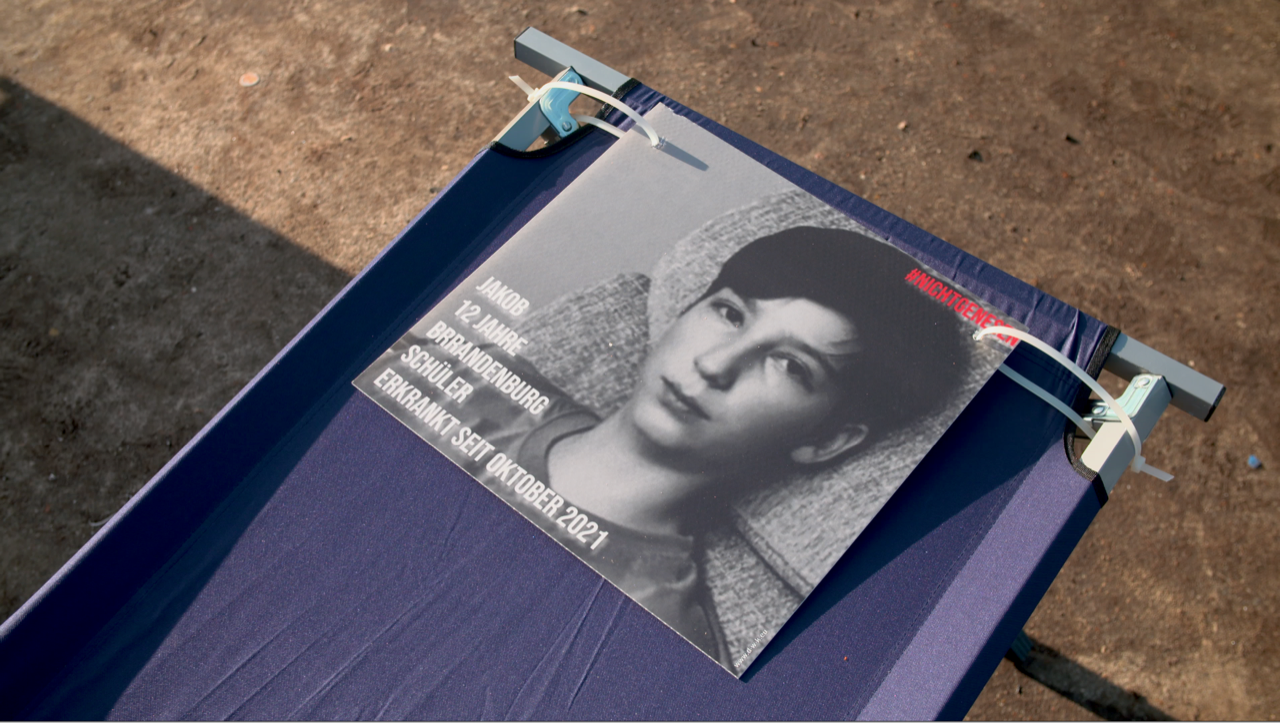
Mitwirkende (u.a.) : Sabine, Joachim und Mila Hermisson, Rosa, Jorinde, Arjan Snijder-von Ilsemann, Sophie von Ilsemann, Asad Khan, Sarah Boothby & Sean O’Neill für ihre Tochter Maeve(†), Karsten Lucke, Michael VanElzakker, Amy Proal, Judith Schoßböck (†), Matthias Mollner, Michael Stingl, Hillary Johnson, Bhupesh Prusty, Carmen Scheibenbogen, Stefan Pieper, Sven Forstmann, Jakob, Johannes Müller, Afschin Gandjour, u.a.
Vielen herzlichen Dank an alle Mitwirkenden des Films "Chronisch Krank - Chronisch Ignoriert", vor und hinter der Kamera. Mein besonderer Dank gilt den Betroffenen und ihren Angehörigen, die diesen Film mittragen, ihre Verletzlichkeit und Not zeigen und somit entscheidend dabei helfen das vermeintlich unsichtbare Leid sichtbar zu machen. Aber auch diejenigen Ärzte und Wissenschaftler, die sich diesen schweren chronischen komplexen Krankheitsbildern annehmen und im Film Auskunft geben, gilt natürlich mein Dank. Es war insgesamt ein langer und auch zuweilen holpriger Weg. Für mich war es eine Grenzerfahrung, die mit sehr viel Trauer verbunden ist. Von Herzen Dank auch an Alle, die uns ihre Fotos gesendet und mit denen wir im Kontext des Filmes gesprochen haben.
Many heartful thanks to everyone involved in the film "Chronically Ill - Chronically Ignored", in front of and behind the camera. My special thanks go to those affected and their relatives who support this film, show their vulnerability and distress and thus help significantly in making the supposedly invisible suffering visible. But of course I would also like to thank those doctors and scientists who deal with these severe chronic complex diseases and provide information in the film. Overall, it was a long and sometimes bumpy road. For me it was a borderline experience associated with a lot of sadness and grief. Heartfelt thanks also to everyone who sent us their photos and with whom we spoke in the context of the film.
#ME #MEcfs #LongCovid #Lyme #FQAD #FlagylToxicity #PostVac #SmallFiber #POTS #MCAS #CCI #hEDS #EDS #LongList #ChronicallyIgnored
»Chronically Ignored« is a documentary about a dark chapter in the history of medicine. Why has a devastating, multi-systemic disease like ME/CFS (Myalgic Encephalomyelitis / Chronic Fatigue Syndrome) been ignored, psychologized and misunderstood for decades? Over 25 million people worldwide were already suffering from the disease by the start of the pandemic. LongCovid has added millions and millions more chronically severe ill people. But nothing has changed yet: those affected are still being ignored by politicians, the scientific and medical communities, the pharmaceutical industry and society and left alone without help. The same applies to those affected who are irreversibly damaged by fluoroquinolones, so-called “armored cabinet antibiotics”, named as FQAD (Fluoroquinolone Associated Disability), and who suffer from similar agonizing symptoms and secondary diseases. What is going wrong in the healthcare system? The film »Chronically Ignored« is guided by this main question, interweaving the perspectives of those affected, science, politics and pharmaceutical research. (January 2024, In Production)
CREDITS
Author & Director: Sibylle Dahrendorf, Daniela Schmidt-Langels
Cinematography: Isabelle Casez
Editor: Anette Fleming
Creative Producer: Anahita Nazemi
Producer: Gregor Streiber, Johannes Rosenberger
Produced by: inselfilm produktion and Navigator Film
In Coproduction with: ZDF/ARTE, Susanne Mertens
My special thanks to Wolfgang Bergmann ZDF/ARTE
Homepage - Inselfilm production
Information about the documentary #ChronicallyIgnored
Contributors among others: Sabine, Joachim und Mila Hermisson, Rosa, Jorinde, Arjan Snijder-von Ilsemann, Sophie von Ilsemann, Asad Khan, Sarah Boothby & Sean O’Neill für ihre Tochter Maeve (†), Karsten Lucke, Michael VanElzakker, Amy Proal, Judith Schoßböck (†), Matthias Mollner, Michael Stingl, Hillary Johnson, Bhupesh Prusty, Carmen Scheibenbogen, Stefan Pieper, Sven Forstmann, Jakob, Johannes Müller, Afschin Gandjour, u.a.